In 2026, financial security has become one of the most important concerns for individuals and families around the world. With rising living costs, economic uncertainty, and unexpected life events, insurance plays a critical role in protecting people from financial loss. Insurance is not just an optional expense; it is a key pillar of smart financial planning and long-term stability.
Many people underestimate insurance until they face a serious problem such as illness, accidents, property damage, or job loss. At that point, having insurance can make the difference between financial stability and serious debt. Understanding how insurance works and why it matters is essential for building a strong financial future.

What Is Insurance and How Does It Work?
Insurance is a financial agreement between a person and an insurance company. In exchange for regular payments called premiums, the insurance company agrees to cover specific financial losses that may occur in the future.
The idea behind insurance is risk protection. Instead of paying large unexpected costs yourself, you share the risk with a large group of people. When something bad happens, the insurance company helps cover the expenses.
There are many types of insurance, including health insurance, life insurance, car insurance, home insurance, and income protection insurance. Each type serves a different purpose, but all are designed to reduce financial risk.
Why Insurance Is More Important in 2026
The world in 2026 is more unpredictable than ever. Medical costs are increasing, natural disasters are becoming more frequent, and job markets are changing rapidly due to technology and automation.
Without insurance, a single unexpected event can destroy years of savings. For example, a medical emergency or car accident can cost thousands or even tens of thousands of dollars.
Insurance provides a safety net that protects your financial progress. It ensures that one problem does not erase all your hard work.
Health Insurance: Protecting Your Most Valuable Asset
Health insurance is one of the most important types of insurance. Your health is your greatest asset, and medical expenses can be extremely expensive without coverage.
A simple hospital visit, surgery, or long-term treatment can cost more than an average person’s annual income in many countries. Health insurance helps cover these costs, making healthcare more affordable and accessible.
In 2026, many health insurance plans also include preventive care, mental health support, and telemedicine services. This makes it easier for people to stay healthy while managing costs.
Without health insurance, individuals often delay treatment, which can lead to more serious health problems and higher expenses in the future.
Life Insurance: Protecting Your Family’s Future
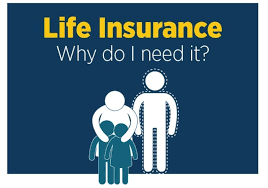
Life insurance is designed to provide financial protection to your family in case of your death. While it is not pleasant to think about, it is an important part of responsible financial planning.
If the main income earner in a family passes away, life insurance provides financial support to help cover living expenses, debts, and future needs such as education.
There are two main types of life insurance:
Term life insurance (coverage for a specific period)
Whole life insurance (lifetime coverage with savings component)
Life insurance ensures that your loved ones are financially secure even if you are no longer there to support them.
Car Insurance: Protection on the Road
Car insurance is mandatory in many countries because accidents can happen at any time. Repairing vehicles or covering medical expenses after an accident can be very expensive.
Car insurance helps cover damages to your vehicle, other vehicles, and medical costs if an accident occurs. It also protects you from legal and financial responsibility in many situations.
In 2026, with increasing traffic and vehicle usage, car insurance remains one of the most commonly used types of insurance worldwide.
Home Insurance: Protecting Your Property
For most people, a home is their biggest financial investment. Home insurance protects this investment from risks such as fire, theft, natural disasters, and accidents.
Without home insurance, repairing or rebuilding a damaged house can be financially devastating. Home insurance ensures that homeowners can recover from unexpected events without losing their entire investment.
Many home insurance policies also cover personal belongings inside the house, adding an extra layer of protection.
Income Protection and Disability Insurance
One of the most overlooked types of insurance is income protection. This insurance replaces a portion of your income if you are unable to work due to illness or injury.
Many people assume they will always be able to work, but unexpected health issues can change everything. Without income protection, losing your job or ability to work can quickly lead to financial instability.
Disability insurance ensures that you continue receiving income even when you cannot work, helping you maintain your lifestyle and cover essential expenses.
The Cost of Not Having Insurance
Not having insurance can be extremely risky. While saving money on premiums may seem attractive in the short term, the long-term consequences can be severe.
A single accident, illness, or disaster can result in huge financial losses. Many people end up in debt or financial crisis because they were not insured.
Insurance acts as a financial shield. It protects your savings, assets, and future income from unexpected events.
How to Choose the Right Insurance
Choosing the right insurance depends on your personal situation, income, and lifestyle. It is important to evaluate your risks before selecting a policy.
Key factors to consider include:
Coverage amount
Monthly premium cost
Deductibles
Company reputation
Policy terms and conditions
It is also important to compare different insurance providers before making a decision. The cheapest option is not always the best; value and reliability matter more.
Insurance as a Part of Financial Planning
Insurance should not be seen as an expense but as an investment in financial security. It is a core part of any strong financial plan.
Financial experts often recommend building a balanced strategy that includes:
Emergency savings
Investments
Retirement planning
Insurance protection
Together, these elements create a strong foundation for long-term financial stability.
Conclusion
Insurance is one of the most important tools for financial protection in 2026. It provides security, peace of mind, and stability in an unpredictable world.
Whether it is health, life, car, home, or income protection insurance, each type plays a vital role in safeguarding your financial future. Without insurance, even small unexpected events can lead to major financial problems.
Building wealth is not just about earning money—it is also about protecting it. Insurance ensures that your progress is not destroyed by sudden risks or emergencies.
In the end, smart financial planning always includes insurance. It is the foundation that keeps everything else safe.