



























Many people love falling asleep to the cool breeze and soothing hum of a fan, especially during hot nights. But what if that comforting habit is quietly causing more harm than good? While fans can help circulate air and lower room temperature, leaving one pointed directly at your body throughout the night may lead to several unexpected health issues.
Potential Downsides of Direct Fan Exposure While Sleeping
- Dryness in Skin, Eyes, and Airways: The constant airflow can strip moisture from your skin, eyes, sinuses, and throat. This often results in dry, irritated skin, itchy or watery eyes upon waking, nasal congestion, sore throat, or even worsened allergy symptoms. If you breathe through your mouth while sleeping, or have conditions like asthma, this effect can be more pronounced.
- Circulating Dust and Allergens: Fans can stir up dust, pollen, mold spores, and pet dander in the room, blowing them directly toward you. This may trigger sneezing, coughing, sinus pressure, or asthma flare-ups, especially if the fan blades aren’t cleaned regularly.
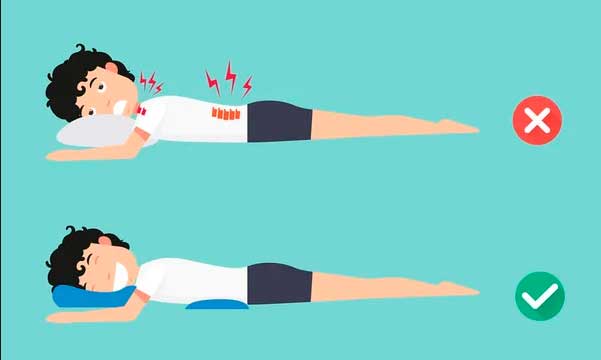
- Muscle Tension and Pain: Direct airflow on areas like your neck, shoulders, or back can cool muscles unevenly, leading to stiffness, cramps, or aches in the morning. It may also cause minor chills or disrupt your body’s natural temperature regulation.
- Disrupted Sleep Quality: The noise and draft can interfere with deeper sleep stages, causing more tossing and turning or lighter rest. Overcooling might even contribute to headaches, dehydration, or feeling groggy the next day.
These effects are more noticeable if the fan is close, on high speed, or blowing straight at your face/body rather than circulating air gently around the room.

Smarter Ways to Stay Cool at Night
If you’re a fan lover, you don’t have to ditch it entirely—just use it wisely:
- Position the fan to oscillate or blow across the room indirectly, not directly on your bed.
- Use a timer to turn it off after you fall asleep (1-2 hours is often enough).
- Clean the fan regularly to minimize dust buildup.
- Stay hydrated and use breathable cotton or bamboo sheets.
- Alternatives: Open windows for cross-breeze, use a ceiling fan on low, try a cooling mattress topper, or take a cool shower before bed.
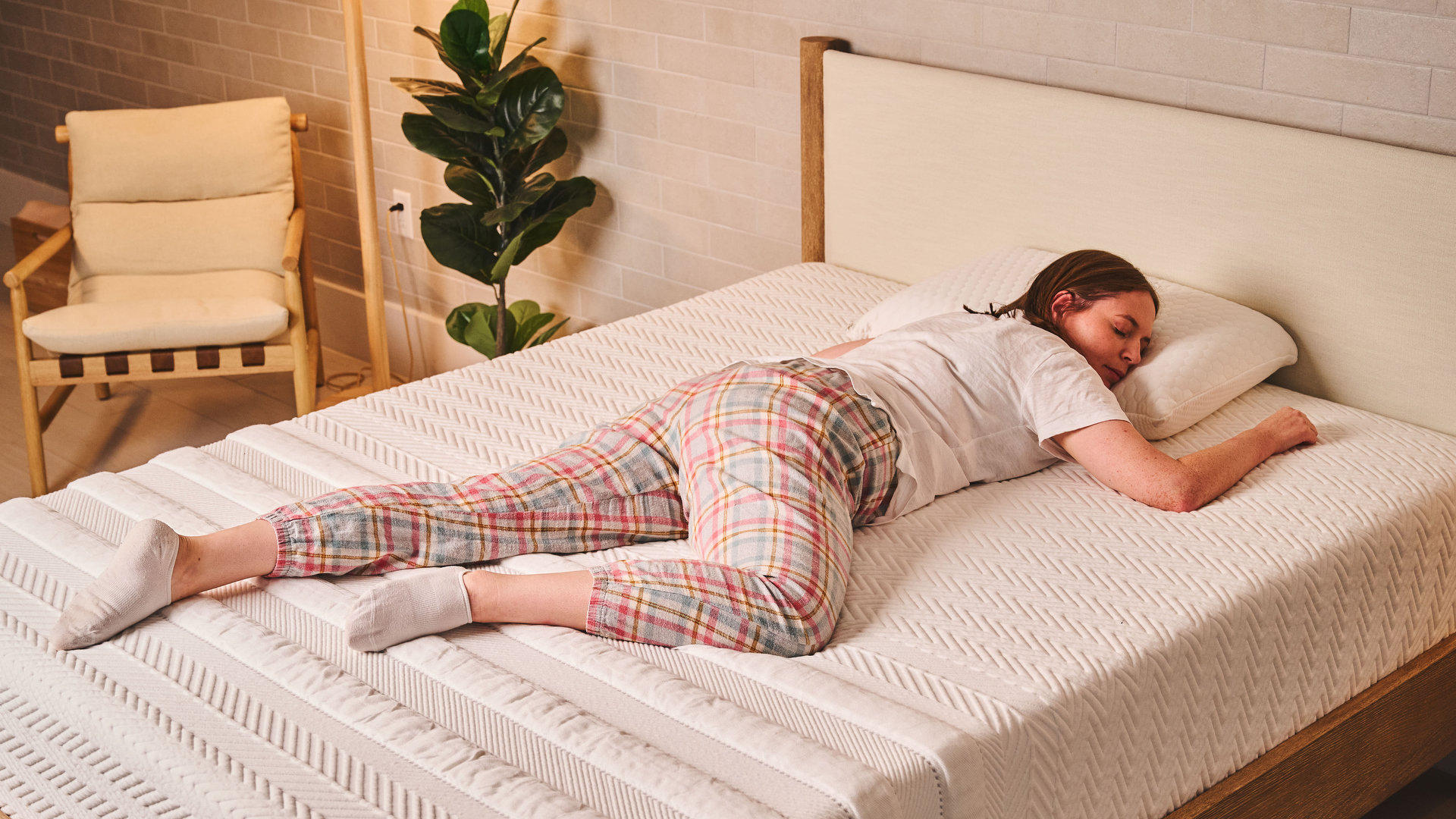
Expert reveals why stomach sleeping is so bad for you | Tom’s Guide
By making these small adjustments, you can enjoy the benefits of a fan without the potential drawbacks. Sweet dreams—and stay comfortably cool!