Berris3xuality is on the rise… and here’s what it means!
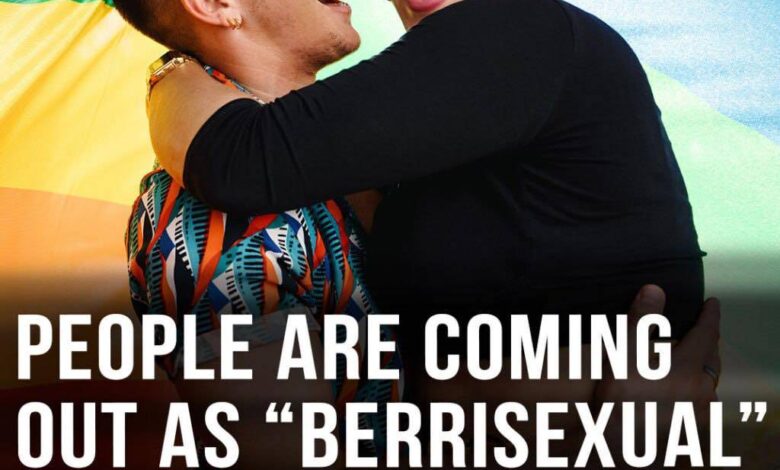
A new sexual orientation term is quietly exploding across TikTok, Reddit, dating apps, and therapy offices worldwide: berrisexuality. According to a viral article published on the Ilyusa App blog titled “Berrisexuality Is on the Rise – and Here’s What It Means”, more and more people – especially Gen Z and younger millennials – are identifying with this label. But what exactly is berrisexuality, why is it suddenly everywhere, and how is it reshaping modern dating and relationships? Here’s the full story.
What Berrisexuality Really Is
Berrisexuality (sometimes called “demisexuality” in academic circles, but “berri” has become the trendy, softer-sounding version online) describes people who only experience sexual attraction after forming a deep emotional bond. Physical appearance alone – no matter how stunning – rarely triggers desire. Instead, sexual feelings grow slowly, like a berry ripening on the vine, and only after trust, vulnerability, intimacy, and genuine friendship are established.
In simple terms:
- A berrisexual person can find someone objectively beautiful and feel zero sexual pull.
- But after months of late-night conversations, shared secrets, emotional support, and true connection, that same person might suddenly become intensely sexually attractive.
- Without the emotional foundation, the switch simply never flips.
It sits on the asexual spectrum but is distinct: berrisexual people are capable of strong sexual desire and fulfilling sex lives – it just requires emotional closeness first.
Why It Feels Like Berrisexuality Is “Everywhere” Right Now
- Dating-app burnout Swipe culture rewards instant physical chemistry. People who don’t work that way have felt broken or invisible for years. Now they finally have a word that explains why Tinder feels exhausting and meaningless to them.
- Post-pandemic introspection Lockdowns forced millions to spend long periods without casual touch or hookups. Many realized they didn’t actually miss random sex – they missed deep connection. When the world reopened, they refused to go back to old patterns.
- Social media validation Hashtags like #berrisexual, #demisexual, and #berrysexual have billions of views on TikTok. Young people are posting “plot twist: I’m not cold or prudish, I’m berrisexual” videos that regularly hit 5–20 million views each.
- Rising visibility of the entire ace spectrum Asexuality awareness has grown dramatically since 2019. Surveys (e.g., from the Kinsey Institute and YouGov 2023–2025) show that 1–4 % of people now place themselves somewhere on the asexual spectrum, with berrisexuality being one of the most commonly claimed identities within it.
Real Stories from Real People
- Maya, 26, London: “I thought I was broken because I could date gorgeous guys and feel nothing sexual for months. My ex called me frigid. Discovering I’m berrisexual was the biggest relief of my life.”
- Ardit, 31, Tirana: “In Albanian culture there’s huge pressure to be ‘a man’ and want sex immediately. Saying ‘I need emotional connection first’ used to feel shameful. Now I’m proud to call myself berri.”
- Sam, 22, New York (non-binary): “Hook-up culture made me hate dating. Once I accepted I’m berrisexual, I stopped forcing it. My current partner and I were best friends for a year before anything physical happened – best sex and relationship of my life.”
How It’s Changing Relationships
- Slower, deeper courtships are becoming cool again. Long text threads, voice notes, and “talking stages” that last months are no longer mocked.
- Dating apps like OkCupid and Feeld have added “demisexual/berrisexual” as official orientation options, and some newer apps (e.g., Ilyusa, Lex, and Fruitz) market themselves as “slow dating” or “emotional connection first” platforms.
- Therapists report more couples seeking help because one partner is berrisexual and the other doesn’t understand why physical intimacy is taking “so long.” Education and patience are the new sexy.
The Backlash and the Myths
Critics (mostly on certain corners of Twitter/X and men’s forums) claim berrisexuality is “just being a normal woman” or “friend-zoning with extra steps.” Others call it a trendy excuse for low libido. The berrisexual community responds: “If it were that simple, we wouldn’t have spent years thinking something was wrong with us.”
Experts agree it’s a legitimate orientation, not a choice, not a trauma response (though trauma can coexist), and definitely not the same as waiting for marriage or having conservative values.
The Bottom Line
Berrisexuality, pansexuality, asexuality – and now berrisexuality – are proof that human attraction is far more diverse than we were taught. In an era of instant everything, a growing number of people are proudly declaring: “I don’t want fast food sex. I want the slow-cooked, soul-connected kind – or nothing at all.”
And for the first time in history, they have a name for it, a community around it, and millions of others saying: same.
If you’ve ever felt out of step with hookup culture, if physical attraction only hits after emotional intimacy, or if the idea of “love (and lust) at first sight” has never made sense to you – welcome home. You might just be berri too.