Clash in Minneapolis: Fatal ICE Shooting Sparks Fierce Dispute Between Federal and Local Officials
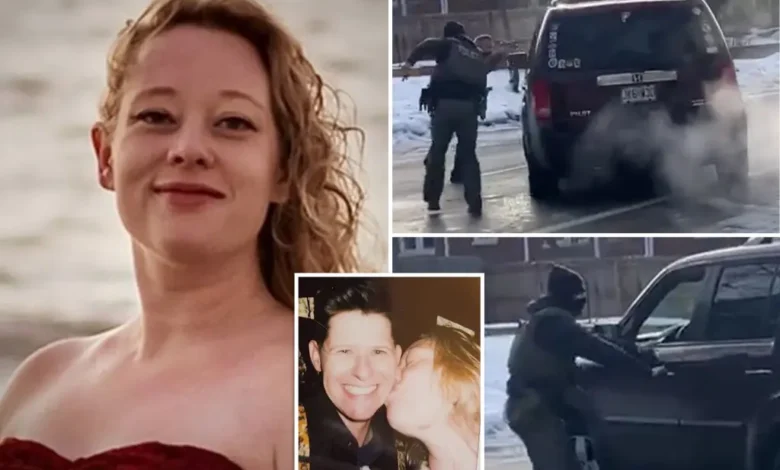
Minneapolis, January 7, 2026 — A deadly confrontation during a massive federal immigration enforcement operation in Minneapolis has ignited a firestorm of controversy, with state and local leaders sharply contradicting the Trump administration’s account of events. An Immigration and Customs Enforcement (ICE) agent fatally shot 37-year-old Renee Nicole Good, a U.S. citizen and mother, prompting accusations of reckless force from Minnesota officials and vows to continue operations from Homeland Security Secretary Kristi Noem.
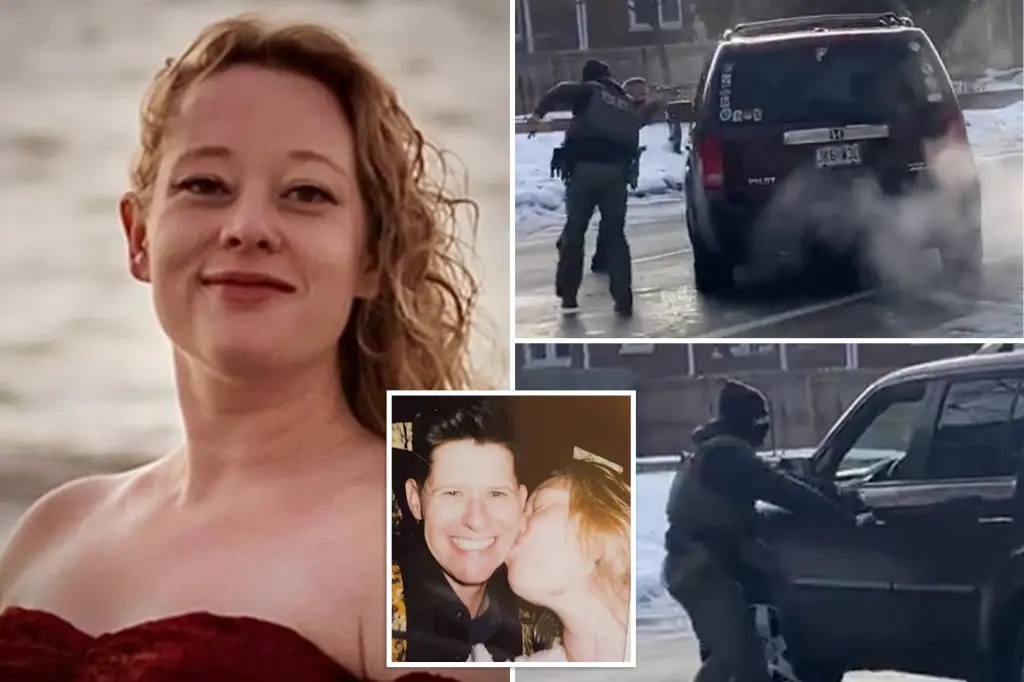
The incident occurred Wednesday morning in south Minneapolis near East 34th Street and Portland Avenue, amid what DHS has described as its “largest immigration operation ever” in the state, involving over 2,000 agents targeting alleged fraud and enforcement actions.
Conflicting Narratives Emerge
Federal authorities, including Secretary Noem and DHS spokesperson Tricia McLaughlin, portrayed the shooting as justified self-defense. They claimed Good weaponized her vehicle, attempting to run over agents during a confrontation with protesters blocking operations. Noem stated the agent acted “to protect himself and the people around him,” labeling the driver’s actions an “act of domestic terrorism.” President Trump echoed this, suggesting on social media that the officer’s response was appropriate given the alleged ramming attempt.
However, Minneapolis Mayor Jacob Frey and Governor Tim Walz vehemently rejected this version, citing video footage circulating on social media. Frey, in a heated press conference, called the federal narrative “bullshit” and a “garbage spin,” asserting that the agent recklessly escalated the situation. “This was an agent recklessly using power that resulted in somebody dying,” Frey said, demanding ICE agents “get the fuck out of Minneapolis.”
Walz, who said he personally reviewed the videos, described the shooting as “totally predictable and totally avoidable,” urging residents not to “take the bait” that could lead to further federal militarization. He warned of the dangers posed by the administration’s “sensationalized operations” and activated preparations for the Minnesota National Guard in anticipation of unrest.
Eyewitness accounts and videos appear to support local officials’ skepticism. One resident described an agent attempting to force open Good’s car door before another positioned in front of the vehicle fired three shots in rapid succession as she tried to drive away slowly. The SUV then crashed into a parked car a short distance down the street.
Victim and Community Response
Renee Nicole Good, identified by multiple sources including U.S. Senator Tina Smith and local media, was a Minneapolis resident with a young child. Her mother spoke to outlets about her life as a partner and parent. Local leaders described her as a legal observer monitoring federal actions, not a target of enforcement.
By evening, thousands gathered for a peaceful vigil at the shooting site and a growing memorial of flowers and candles. Protesters chanted slogans like “ICE Go Home” and “Killer ICE off our streets,” with similar demonstrations erupting in cities like New York. Community activists warned residents of potential raids, while politicians urged calm amid rising tensions.
Ongoing Investigation and Broader Tensions
The FBI and Minnesota Bureau of Criminal Apprehension are jointly investigating, with Minneapolis Police Chief Brian O’Hara noting no initial evidence justifying deadly force. Walz criticized federal agents for potentially tampering with the scene post-shooting.
This incident escalates longstanding friction between the Trump administration and Democratic-led Minnesota, particularly over immigration enforcement and allegations of state-level fraud. Noem, speaking from the Twin Cities, insisted operations would continue despite the tragedy, acknowledging “very different viewpoints” with Walz.
As investigations proceed and protests continue into the night, the shooting underscores deep divisions over federal immigration tactics in American cities. Good’s death serves as a tragic flashpoint, raising urgent questions about accountability, use of force, and the human cost of enforcement policies.