• JUST IN: Obama says supporting Trump shows “disrespect for democracy”…. Thoughts?… see more in comment

    The remarks, made during a recent public appearance, quickly spread online, with supporters praising Obama for speaking out while critics accused him of dismissing the views of millions of voters.

    Obama’s statement appears rooted in his long-standing concerns about democratic norms, election integrity, and respect for institutions. He emphasized that democracy depends not only on voting, but also on accepting outcomes,protecting the rule of law, and maintaining trust in civic processes. To Obama and his allies, backing leaders they view as undermining these principles raises serious questions about the future of American governance.Supporters of Trump, however, pushed back forcefully, arguing that supporting a candidate is itself a democratic right. Many say Obama’s words come across as elitist or dismissive, framing ordinary voters as a threat rather than participants in democracy.

    They insist that disagreement with political institutions or leadership does not equal disrespect, but rather reflects frustration with a system they believe has failed them.

    Supporters of Trump, however, pushed back forcefully, arguing that supporting a candidate is itself a democratic right. Many say Obama’s words come across as elitist or dismissive, framing ordinary voters as a threat rather than participants in democracy.

  • Silent horror ~~Profit-seeking friends~~


  • Most Beautiful Dog Breeds – 5 Stunning Breeds With Temperaments & Care Tips calendar_today October 29, 2025 question_answer 0 Comments

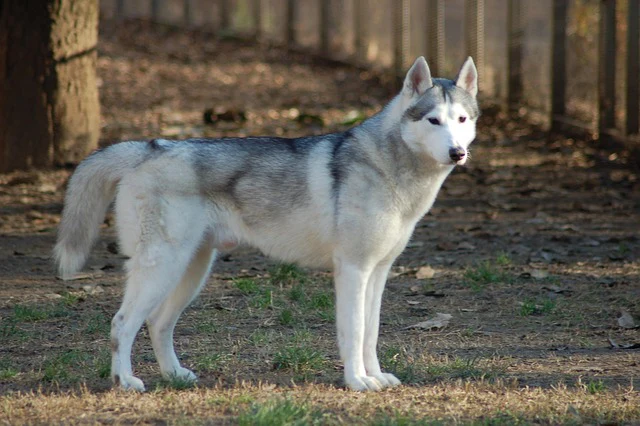
    1. Siberian Husky

    About the Breed: The most interesting feature about Huskies is that they are adventurous and playful. If you’re not into long hikes or snowball fights, good luck keeping up.

    Family Friendly: Yes, but thrive with active families.
    Best For: Outdoor enthusiasts, runners, and cold-weather areas.
    Space & Size Requirements: Medium-to-large homes; not ideal for small apartments.
    Care Tips: Use dog dental treats, provide puzzle dog toys for dogs, and give daily exercise. Greenies Dog Dental Treats help clean teeth and control bad breath.
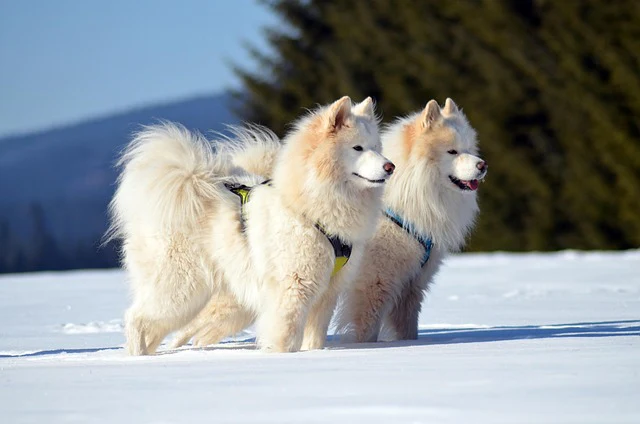
    2. Samoyed

    About the Breed: The original “smiling” fluffball and exotic beautiful dog breeds. Samoyeds look like they were designed for hugging—giant white clouds of fur. Super sweet, totally obsessed with family, but you better be ready for a daily fur-shedding session. Grooming is non-negotiable.

    Family Friendly: Extremely friendly, great with kids.
    Best For: Families wanting a gentle, loving pet.
    Space & Size Requirements: Best in medium-to-large homes.
    Care Tips: Brush daily with the best dog grooming supplies and bathe regularly to keep that sparkling coat.
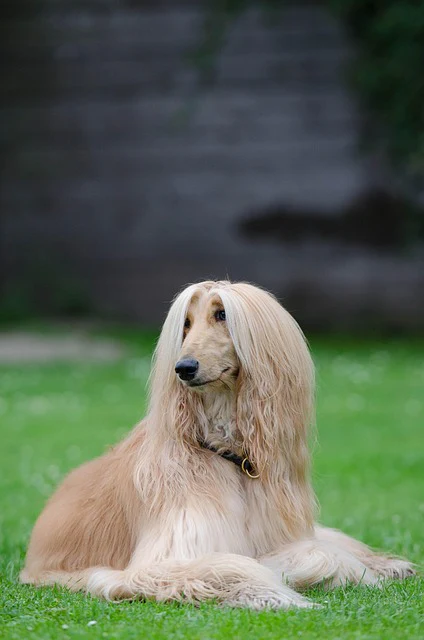
    3. Afghan Hound

    About the Breed: Nicknamed the “supermodel dog,” Afghan Hounds are sleek with long, silky coats.

    Family Friendly: Yes, but can be aloof with strangers.
    Best For: Stylish dog lovers and show families.
    Space & Size Requirements: Medium-to-large homes with space to roam.
    Care Tips: Use detangling sprays, wide-tooth combs, and premium dog products
    4. Golden Retriever

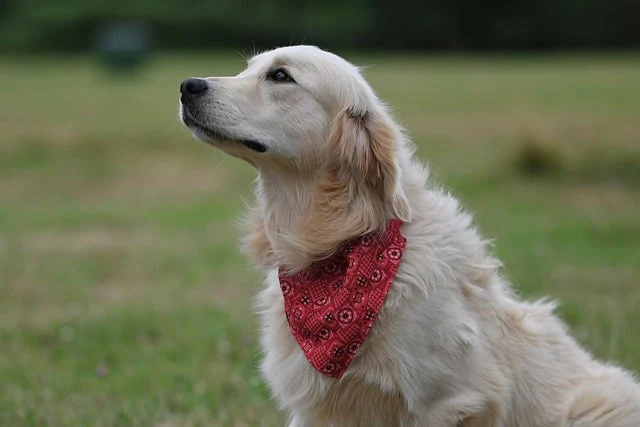
    About the Breed: These dogs are just pure joy wrapped in fur. One of the prettiest dog breeds in the world, they’ll fetch your slippers, your stick, and your heart. Seriously, you can’t go wrong here—they’re basically the world’s therapy dogs.

    Family Friendly: Yes, among the best family dogs.
    Best For: Families, therapy work, and service training.
    Space & Size Requirements: Needs space but can adapt to suburban homes.
    Care Tips: Weekly grooming, fetch with dog toys for dogs, and nutritious food.About the Breed: These dogs are just pure joy wrapped in fur. One of the prettiest dog breeds in the world, they’ll fetch your slippers, your stick, and your heart. Seriously, you can’t go wrong here—they’re basically the world’s therapy dogs.

    Family Friendly: Yes, among the best family dogs.
    Best For: Families, therapy work, and service training.
    Space & Size Requirements: Needs space but can adapt to suburban homes.
    Care Tips: Weekly grooming, fetch with dog toys for dogs, and nutritious food.

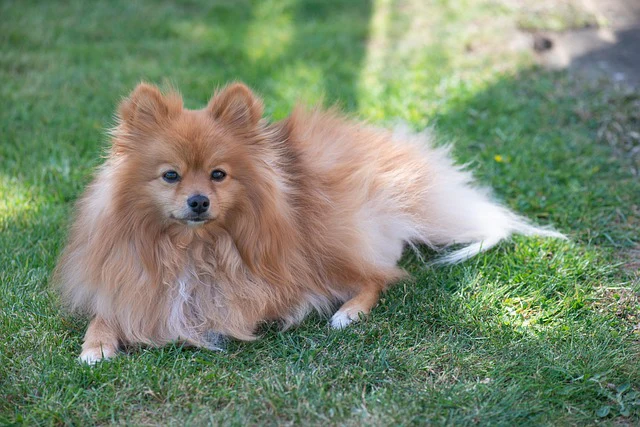
    and 5. Pomeranian

  • New Survey Reveals An Alarming Number Of Women Support Christian Nationalism


    One-third of Americans believe that the United States is or should be a Christian nation, according to a new report by the Public Religion Research Institute –– and women were just as likely as men to believe in Christian nationalism.

    To reach the conclusion, the Public Religion Research Institute conducted more than 20,000 interviews with adults around the nation and asked them about how much they agreed with statements such as: “U.S. laws should be based on Christian values,” “If the U.S. moves away from our Christian foundations, we will not have a country anymore,” and “God has called Christians to exercise dominion over all areas of American society.” From there, respondents were grouped into either being adherents, sympathizers, skeptics or rejectors of Christian nationalism.

    “If you completely agree with those statements, by and large, you’re a Christian nationalist adherent,” Melissa Deckman, the chief executive of PRRI, told HuffPost.

    Though most Americans are skeptical or outright reject Christian nationalism, the number of people who do believe in it is still a powerful force in U.S. politics. A majority of Republicans ― 56% ― were either Christian nationalism adherents or sympathizers in the PRRI report, and people who held these beliefs were likely to support President Donald Trump and see him as a strong leader.

    For the number of Americans who do strictly adhere to Christian nationalist views, a significant number of them are women who are committed to its hard-line theology.

    “Plenty of American women are conservative, and they hold strong theologically conservative positions, and they have found a home in this movement,” Deckman said.

    From the outside, it might be confusing about why women want to be part of a movement that seeks to restrict their agency. The Rev. Doug Wilson, a self-proclaimed Christian nationalist, has said the 19th Amendment granting women the right to vote “was a bad idea” and prefers heads of households like the husband and the father to vote. Notably, Secretary of Defense Pete Hegseth is part of Wilson’s same denomination and has repeated the church’s motto, “All of Christ for All of Life,” on social media.

    Deckman said Christian nationalists, including many women who support this, are willing to remove a lot of rights for women, in part “because they see society changing. They see younger women who are less religious, who are opting out of marriage, and it’s alarming to them.”

    “To understand the Christian nationalist worldview is that it’s one that’s deeply steeped in militant masculinity with very patriarchal views,” Deckman added. “And so the role of women in society is really to be mothers, preferably of lots of children, and to be wives that are submissive to their husbands.”
    How Christian Nationalism Shows Up In Women Is Similar To How It Shows Up In Men
    Overall, Gaddini said there might be a difference in how Christian nationalist women approach issues or a style of politics, but “the fervency of beliefs and the commitment to the cause is not any different from men.”

    And this belief is having repercussions for the rest of Americans.

    “The harm is the exclusion it causes to a lot of people, trans people, immigrants, gender, sexual, racial minorities,” Gaddini said. “There’s documented harm that can be caused by those rigid, exclusionary beliefs.”

  • Some people love him. Others hate him. But no one can ignore him… Who he is? 👇


    Donald Trump’s story is less a biography than a series of escalating bets. From the moment his father drilled into him that the world was divided into killers and losers, Trump treated every room as a stage and every setback as a chance to rewrite the script. When his casinos bled money and creditors circled, he didn’t quietly negotiate; he dazzled, bullied, and seduced the very bankers who should have ended him, convincing them that his name itself was too valuable to fail.


    Television transformed that name into a global brand, but politics turned it into a dividing line. As president, he didn’t just lead a party; he rewired it around grievance, loyalty, and his own legend. To supporters, he became a champion who said what others wouldn’t. To opponents, a threat to democratic norms. Yet both sides, locked in outrage or devotion, keep him exactly where he’s always wanted to be: at the center of the American story, refusing to exit the stage.

  • Silent Horror ~Husband’s perverted buddy

    Silent Horror ~Husband’s perverted buddy


  • Once you open this episode, going back won’t be easy

    Once you open this episode, going back won’t be easy


  • Silent Horror ~Admirer👩‍❤️‍👨


  • Food Avoid Ginger If You Have These 5 Health Problems – What You Need to Know

    Ginger has long been celebrated as a powerful natural remedy. It is commonly used to reduce nausea, ease inflammation, soothe digestive discomfort, and support the immune system during colds and flu. For many people, adding ginger to meals, teas, or supplements provides noticeable health benefits with few side effects. However, like many natural substances, ginger is not universally safe. In certain medical situations, it can interact with medications or worsen existing conditions, sometimes creating serious health risks.

    One group that should approach ginger with particular caution includes individuals with bleeding disorders or those taking medications that affect blood clotting. Ginger contains natural compounds, including salicylates and gingerols, that can inhibit platelet aggregation and slow the clotting process. While this effect may be beneficial for general circulation in healthy individuals, it can become dangerous for people whose blood already does not clot normally.

    Conditions such as hemophilia and Von Willebrand disease impair the body’s ability to stop bleeding efficiently. For those living with these disorders, even minor changes in clotting function can increase the risk of excessive bleeding. Similarly, individuals taking blood thinning medications face elevated risks. These medications include warfarin, aspirin, clopidogrel, heparin, and certain newer anticoagulants prescribed for heart conditions, stroke prevention, or clotting disorders.

    When ginger is consumed alongside these medications, the combined effect can amplify the blood thinning process beyond safe levels. This may result in symptoms such as frequent bruising, nosebleeds, bleeding gums, blood in urine or stool, or prolonged bleeding from cuts and injuries. In more severe cases, internal bleeding or complications during surgery may occur.

    What makes this risk especially concerning is that even relatively small amounts of ginger can cause problems for sensitive individuals. A cup of ginger tea, a concentrated supplement, or generous use of fresh ginger in meals may be enough to trigger unwanted effects, depending on a person’s medical history, dosage of medication, and individual response.

    For these reasons, people with bleeding disorders or those taking anticoagulant medications should consult a healthcare professional before regularly consuming ginger in any form. A doctor or pharmacist can help determine whether ginger is safe in small culinary amounts or whether it should be avoided entirely. Medical guidance is essential, as the potential consequences of excessive bleeding can be severe.

    For individuals seeking natural ways to support circulation or general wellness without increasing bleeding risk, safer alternatives may be more appropriate. Foods rich in omega three fatty acids, such as salmon, walnuts, and flaxseeds, provide heart and vascular benefits without significantly affecting clotting in most people. Gentle herbal teas like chamomile, peppermint, or rooibos can offer calming and digestive support. Lifestyle measures such as light exercise, adequate hydration, stress reduction, and balanced nutrition can also promote overall health safely.

    Being informed about these interactions allows people to make thoughtful choices about their health. Ginger remains a valuable and effective remedy for many, but understanding when it may pose risks ensures it is used responsibly. Anyone with underlying medical conditions or taking medications that influence blood clotting should always seek professional advice before incorporating ginger into their routine. This simple precaution can prevent serious complications while allowing individuals to pursue wellness with confidence.

  • World’s oldest dog identified at ancient hunter-gatherer site

    Bones of 15,800-year-old puppy push confirmed origin of our canine companions back nearly 5000 years

    In the summer of 2004, Douglas Baird was leading excavations at a remote hunter-gatherer site called Pınarbaşı in central Turkey when his team found something unusual: three puppies placed in a pit directly above a human burial. The bones were too small to tell whether they belonged to wolves or dogs. Their proximity to the human suggested the latter, but the remains—dated to about 15,800 years ago—were nearly 5000 years older than any confirmed dog. “Our minds were racing,” says Baird, an archaeologist at the University of Liverpool.

    Now, more than 2 decades later, ancient DNA analysis of the bones confirms the pups were indeed dogs, researchers report today in Nature. The study, along with a second paper in Nature, also provides new insight into how dogs spread throughout Europe—and how they may have interacted with ancient humans.

    It’s a “supercool” finding, says Natalie Munro, an archaeozoologist at the University of Connecticut who was not involved with either study. “It’s very, very important to have data from this time period. Without it, we can’t talk about the deep history of dogs.”

    Despite decades of study, dogs remain one of the greatest mysteries in archaeology. Scientists know they descend from gray wolves, but exactly when this happened—and whether it happened more than once—has been unclear. Until now, the oldest genetically confirmed dog was an 11,000-year-old canine found at a site in northwestern Russia. Archaeologists have unearthed much older suspected dogs—animals whose shorter and wider skulls, for example, are a hallmark of changes that took place as wolves became domesticated. But until now, they did not have the detailed genetic information needed to close the case.


    14,200-year-old dog jawbone from the Kesslerloch cave in northern Switzerland suggests dogs were widespread across Europe during this time

    In the new studies, researchers sequenced the nuclear DNA (which makes up the majority of an animal’s genome) of one of the Pınarbaşı pups, as well as of suspected dogs at Gough’s Cave in southern England and a cave known as Kesslerloch in northern Switzerland. Those sites date to about 14,300 and 14,200 years ago, respectively.

    Many putative ancient dogs have turned out to be wolves after genetic testing was done, but that wasn’t the case with the Pınarbaşı pup. “It’s 100% a dog,” says Lachie Scarsbrook, a paleogeneticist at the Ludwig Maximilian University of Munich who—along with paleogeneticist William Marsh at the Natural History Museum in London—led the analysis of the Pınarbaşı and Gough’s Cave specimens. “There’s no trace of wolfiness.”

    The Gough’s Cave and Kesslerloch animals also turned out to be dogs, and their mitochondrial DNA (a much smaller component of an animal’s genome inherited from mothers) was a close match to that of 14,000-year-old canine remains from western Germany and southern Italy, revealing that dogs were widespread across Europe by this time.

    The genomes of the Turkish, English, and Swiss dogs were strikingly similar to one another, despite the vast geographical distances separating the sites, and the very different human cultures there. People at Gough’s Cave, for example, were part of the Magdalenian culture—renowned for its sophisticated cave paintings (and, in the case of the Gough’s Cave inhabitants, making cups from human skulls). Pınarbaşı, meanwhile, was home to Anatolian hunter-gatherers, direct ancestors of the farmers who introduced agriculture to Europe. Humans from these disparate cultures had genetic differences, “but we don’t see the same pattern in dogs,” Marsh says. “They must have all come from the same population.”

    Indeed, they may represent Europe’s ur-dogs, an ancient lineage that had yet to become specialized, says Greger Larson, an evolutionary biologist at the University of Oxford and co-author on both studies. Whereas later dogs were bred to perform a wide variety of tasks—perhaps as co-hunters and protectors—these early dogs were more of a “Swiss Army knife,” Larson says. “It’s almost as if this is a new, supercool thing that everyone wants.”

    Based on canine and human DNA at the various sites, the team suggests Epigravettian people, expert stone-tool craftsmen who lived throughout southern and eastern Europe between about 21,000 and 12,000 years ago, may have helped spread dogs throughout the continent. “All of a sudden, this animal arrives that you’ve never seen before,” says Scarsbrook, who speculates that these ancient dogs may have been smaller and differently colored from wolves. “To witness people who have harnessed your biggest competitor—that must have been a day.”

    A similar scenario may have unfolded again, thousands of years later, as early farmers migrated into Europe, bringing their own dogs. These human newcomers almost totally replaced earlier Europeans. But European dogs lived on. By analyzing dog remains dated to between about 9000 and 7000 years ago—spanning the time before and after the arrival of agriculture in Europe—the second Nature study finds that only about 50% of European dog DNA was replaced by Near Eastern DNA, indicating the migrating farmers may have found the European dogs especially useful. “They seem to incorporate these dogs rather than trying to replace them with their own,” says Anders Bergström, a geneticist at the University of East Anglia who led the work as well as the analysis of the Kesslerloch specimen. (The opposite happened in North America, where colonizing Europeans seem to have wiped out the indigenous dogs.) Perhaps European dogs were more suited to guarding or hauling than the Near Eastern dogs, he says, or maybe they just made better companions.

    Neither study answers the age-old question of where dogs ultimately came from, though Bergström’s work challenges the idea that they arose in multiple locations, perhaps in both Europe and Asia. He and his colleagues found that the Kesslerloch dog—and, by extension, the other ancient dogs in the two papers—shares DNA with modern dogs all over the world, suggesting they have a common origin. “There is no need to propose an independent domestication,” Bergström says. “Though we can never rule it out.”

    A few years after his team discovered the Pınarbaşı pups, Baird—a co-author on both new studies—made a similar find at a nearby site known as Boncuklu Höyük, occupied a few thousand years later. But there was a twist. Instead of being buried near humans, the dogs here were buried with them, suggesting a deepening of the human-dog relationship over time. Additional finds should further illuminate that growing bond between our two species. “The story,” Baird says, “continues.”