-
-
First Kiss 😳😲


The first kiss is one of those rare moments that manages to be simultaneously:
extremely important
completely meaningless
awkwardly hilarious
stupidly romantic
mildly terrifyingall at the exact same time.
Statistically, most people’s first kiss:happens between 15–17
lasts 3–7 seconds (feels like 45 minutes)
involves way too much thinking about nose angle
ends with at least one person opening their eyes way too early and immediately regretting it
tastes faintly like whatever gum/cigarette/energy drink/nervous lip-balm flavor was chosen 20 minutes earlierThe weirdest part?
Even when it’s objectively bad (teeth clash, too much saliva, sudden panicked pull-away, accidental forehead kiss instead), most people still remember it with strange fondness years later.
It’s not really about technique.
It’s about the insane amount of meaning we cram into ten seconds of mildly damp face contact.
So yeah… first kisses are almost always a mess.
And almost everyone secretly treasures their own personal disaster version of it.
What’s yours like — catastrophe, cute, cringe, or did you black out from sheer adrenaline? 😄 -

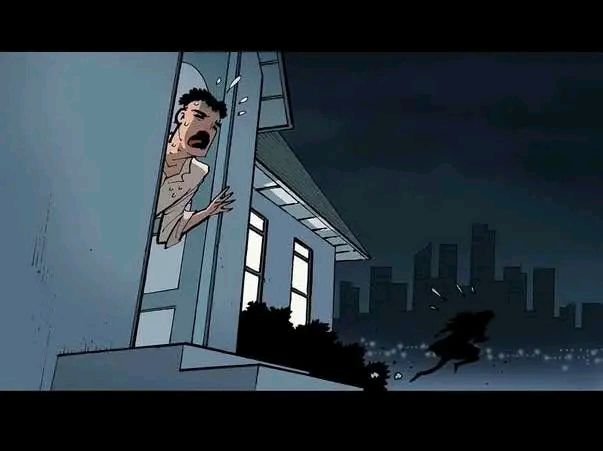
Dad hasn’t come home yet

A father’s love is one of the quietest, most stubborn forces on Earth.
It doesn’t always speak in long paragraphs or poetic declarations.
More often it shows up as:silently appearing in the doorway just to check you’re still breathing at 3 a.m.
keeping the same awful dad-joke alive for twenty-three years because it once made you laugh
fixing things (cars, bikes, broken hearts, broken pride) without ever asking for credit
standing at the back of every important room you’ve ever walked into — graduation, wedding, hospital corridor — saying almost nothing, but filling the whole space with the certainty that someone has your back no matter what
carrying rage, fear, guilt, exhaustion inside his chest for decades so you wouldn’t have to carry it
still calling you “kid” even when you’re forty-seven and have kids of your own
It’s rarely loud.
It rarely demands to be seen.
But when life actually tries to break you, that’s when you suddenly realise how much invisible scaffolding that man built around you over the years.Most people only understand the full size of a father’s love
the day they realise he would burn the whole world down before he let it hurt you —
and then quietly go back to making terrible coffee and pretending everything is normal the next morning.That’s the kind of love that doesn’t need fireworks.
It just needs to keep showing up.
And it does.
Every damn day.Even when you forget to notice.
-
Before You Throw Away Those Eggshells, Read This — 13 Reasons They’re Worth Saving
In the past, whenever I used eggs in my cooking, I would crack them open, use the yolk and whites, and immediately toss the shells into the trash without a second thought. It never occurred to me that I might actually be throwing away something valuable. Over the past few months, however, I’ve realized just how useful eggshells can be. What once seemed like kitchen waste has turned out to be a surprisingly versatile and eco-friendly resource. By saving and reusing your eggshells, you can benefit not only your garden but also your body — and even the environment.
Did you know that eggshells are made up of about 95% calcium carbonate, along with small amounts of other essential minerals such as magnesium, potassium, zinc, and iron? These same minerals are crucial for maintaining healthy bones, teeth, and nails. Structurally, the eggshell is composed of three layers: a hard, outer shell made of calcium crystals, and two thin, inner membranes packed with keratin protein that serve as a barrier against bacteria. So, before you toss those shells into the bin, take a moment to consider how useful they can be. Below is a list of creative and practical ways to reuse eggshells — you might be surprised by how much they can do!
1. How to Prepare Eggshells for Eating
If you’re interested in consuming eggshells for their calcium benefits, it’s important to prepare them safely. Start by washing the shells thoroughly under running water to remove any egg residue. Next, boil them for about 10 minutes to eliminate bacteria such as Salmonella. Once boiled, let them dry completely — you can air-dry them on a clean towel or bake them at a low temperature (around 200°F / 93°C) for 10–15 minutes until crisp. After drying, grind the shells using a coffee grinder, blender, or mortar and pestle until they form a fine powder. The finer the powder, the easier it is for your body to absorb the calcium.2. Easy Ways to Eat Crushed Eggshells
Eggshell powder has little to no taste, so it can be added to your favorite foods without altering their flavor. Try mixing a small pinch (around ½ teaspoon) into smoothies, oatmeal, yogurt, or soups. You can also stir it into baked goods or sprinkle a little over salads for a subtle calcium boost. However, moderation is essential. A small amount goes a long way — consuming too much calcium can strain your kidneys, so be careful not to overdo it.3. Natural Nutrients for the Soil
If eating eggshells isn’t your thing, don’t worry — your garden will love them! Crushed eggshells are rich in calcium and trace minerals, which are beneficial for plant growth. When added to soil, they break down quickly, replenishing nutrients and helping to prevent calcium deficiencies that can harm plants. Over time, they also help improve soil texture.4. Soothe Minor Skin Irritations
Eggshells can even be used in simple DIY skincare remedies. Crush some clean, dry eggshells into small pieces, then mix them with apple cider vinegar. Let the mixture sit for a few days to allow the calcium to dissolve. The resulting solution can be applied to minor skin irritations, helping to soothe itching and inflammation naturally.5. Improve Soil Drainage
Placing crushed eggshells at the bottom of planting holes or garden pots can significantly improve soil drainage and airflow. This helps prevent root rot and keeps plants healthy. Over time, as the shells degrade, they continue to release beneficial minerals into the soil — just remember to replace them occasionally.6. A Natural Cleaning Scrub
Crushed eggshells make an excellent eco-friendly abrasive cleaner. You can use them to scrub coffee pots, vases, or pans with stubborn, stuck-on food. Combine them with a little water or dish soap for an all-natural cleaning solution that’s both gentle and effective.7. Help Tomatoes and Peppers Grow
Tomatoes, eggplants, and peppers are particularly prone to calcium deficiency, which can cause a condition known as blossom-end rot. Burying crushed eggshells in the soil near these plants can help prevent this problem. As the shells decompose, they release calcium, strengthening plant cell walls and promoting healthy fruit development.8. Keep Snails and Slugs Away
If you’re battling garden pests, here’s a simple, chemical-free solution: scatter crushed eggshells around your plants. The sharp edges of the shells deter snails and slugs, who avoid crawling over them. It’s an easy, natural way to protect your plants without using pesticides.9. Deter Deer from the Garden
For those living in rural areas, eggshells can even help keep deer away. Deer reportedly dislike the smell of eggs, so spreading broken shells around your garden can discourage them from wandering too close to your plants.10. Use Eggshells as Seed Starters
Eggshells make great biodegradable seed pots. Simply rinse out the shells, fill them with a bit of soil, and plant your seeds inside. Keep them in an egg carton by a sunny window until the seedlings sprout. When it’s time to transplant them, place the entire shell directly into the ground — it will naturally decompose, enriching the soil and providing extra calcium for your growing plants.11. Feed Backyard Birds
Many small birds rely on calcium to form strong eggshells of their own. You can help them by adding crushed eggshells to your bird feeder. It’s a simple way to support local wildlife while recycling your kitchen waste. Birds also help control garden pests naturally, so everyone benefits!12. Balance the Soil’s pH Levels
The pH level of your soil plays a big role in how your plants grow — and even what color some flowers turn out to be. Hydrangeas, for instance, can turn pink or blue depending on the soil’s acidity. If your soil is too acidic, adding crushed eggshells can help balance the pH and create a more neutral environment for your plants.13. Add Eggshells to Your Compost
Finally, eggshells are an excellent addition to your compost pile. When crushed, they break down faster and add valuable calcium and minerals to your compost mix, enriching the final product. Remember to crush them first so they decompose efficiently.Final Thoughts
As you can see, something as simple as an eggshell can have countless practical uses. From boosting your calcium intake to enriching your soil and even repelling garden pests, eggshells are far more valuable than most people realize.By reusing them, you’re reducing waste, saving money, and helping the environment — all with minimal effort. So next time you make breakfast, think twice before tossing those shells away. Your garden, your body, and even your planet will thank you for it.
-

The Cowboy Claimed His Virgin Bride
The wind whipped across the wide open plains, carrying with it the scent of hay, dust, and distant thunderstorms. Lily’s heart pounded as she clutched her thin shawl tighter around her shoulders. She had spent weeks traveling alone from her small town to the rugged lands of Montana, where her new life, whether she wanted it or not, awaited her.
She was trembling, not only from the biting cold, but from the anticipation, fear, and the unspoken expectations that had been thrust upon her. Her father’s death had left her with no family, no home, and now only one path forward. Marriage to a man she barely knew. As she approached the sprawling ranch house, its silhouette cutting against the fading sunset, she felt the weight of every whispered story she’d heard about the man who owned this land.
Caleb Hart, the cowboy she was to marry, was a man of few words but fierce reputation. Some called him cold, others unyielding, but all agreed he was a man who demanded respect and obedience. Lily’s stomach nodded as she stepped onto the porch, her boots making soft thuds against the wooden planks.
Each step felt like it carried the weight of her entire future. The door creaked open before she could knock. And there he was, Caleb, standing tall with a broad chest. His sleeves rolled up to reveal strong, calloused arms, the kind of arms that had worked the land for years. His eyes, sharp and penetrating, measured her in a glance, and Lily felt an involuntary shiver run down her spine. He didn’t smile.
He didn’t speak. He simply let the silence stretch. And in that silence, she felt every doubt and fear she had been trying to suppress rise to the surface. “You’re late,” Caleb finally said, his voice low and commanding like a whip cracking in the quiet evening. “I I’m sorry,” Lily stammered, her voice small, fragile.
“The roads were dangerous. I know,” he interrupted, cutting her off before she could finish. “Doesn’t matter. You’re here now.” Her heart raced, unsure whether to feel relief or dread, there was no warmth in his words, but there was acknowledgement. And for someone who had spent weeks terrified of what awaited her, acknowledgement was almost a comfort.
Caleb led her inside, his large hand briefly touching her elbow as he guided her through the heavy wooden door. The house smelled of leather, wood polish, and smoke from the hearth. It was stark, functional, and yet there was a strange sense of home in the arrangement of furniture and the quiet efficiency of the space.
Lily’s eyes darted around, taking in the walls adorned with hunting trophies and old family photographs. The shelves lined with leatherbound books and the fire crackling in the hearth, casting flickering shadows across the room. “You’ll sleep in the guest room tonight,” Caleb said as if reading her thoughts.
“Tomorrow, we’ll talk about everything else.” She nodded, barely trusting herself to speak. But the moment she turned to leave, he added, “Lily, don’t be afraid. I don’t hurt women who come willingly. I only expect honesty and respect.” Something in his tone made her pause. Not tenderness exactly, but an unspoken promise of protection.
She swallowed, unsure if she should believe it. That night, she lay awake in the unfamiliar bed, the moonlight spilling across the wooden floor. Her mind replayed the day’s moments over and over. The way Caleb had looked at her, the firmness in his movements, the rare softness in his words. She couldn’t ignore the fluttering in her chest, a mix of fear, curiosity, and a strange, reluctant hope.
She thought about the stories she’d heard of women who had married men like Caleb, of lives full of both struggle and profound connection. Could she ever feel safe, cherished, or even loved here? Morning came with the same quiet intensity as the night before. The ranch was alive with sounds. the loing of cattle, the distant clatter of tools, the soft winnie of horses.
Lily dressed quickly, her fingers fumbling with the buttons of her dress, nerves making her hands shake. She walked into the kitchen where Caleb was already sitting at the table. A rough mug of coffee in hand, his eyes focused on some papers spread before him. He looked up as she entered, and for a brief moment.
The man who seemed so intimidating yesterday appeared almost human. Just a man staring at his future bride, trying to measure her worth, her strength, and perhaps her courage. “Breakfast is ready,” he said simply. “No invitations, no warmth, just a statement of fact. She sat down, eating in silence, the tension between them palpable.
She had never met anyone like Caleb Hart. He was commanding yet unspokenly cautious, distant, but not entirely unkind. After breakfast, he handed her a saddle blanket and gestured toward the stable. You ride today, you’ll need to know the land if you’re going to live here. Lily’s heart leapt and sank at the same time.

She had ridden before, but never on the vast, unpredictable plains surrounding the heart ranch. She nodded, swallowing her fear and followed him outside. The sun was climbing, casting a golden glow over the fields. Caleb mounted his horse with practiced ease, then turned to help her onto hers. His hands brushed against hers briefly, firm and steady, and she felt a jolt run through her. The ride began cautiously.
Lily struggled to keep her horse in line while Caleb moved beside her effortlessly, his gaze scanning the horizon, alert to every sound, every movement. The silence between them was heavy but not uncomfortable. There was an understanding in the quiet, a silent agreement that they were learning each other’s rhythms, each other’s limits.
By mid-after afternoon, as the sun dipped lower in the sky, they stopped by a creek. Caleb dismounted first, offering his hand to help Lily down. She hesitated, but eventually let him pull her off the horse. They stood side by side, the water gurgling gently at their feet, and for a moment, the tension of the past days, the fear, the uncertainty, the loss seemed to lift, replaced by a fragile sense of connection.
“You’re stronger than you think,” Caleb said quietly, almost to himself. Then his eyes met hers sharp and probing. I can tell you’re afraid. But you’re brave, too. Don’t forget that. Lily felt tears prick her eyes, though she didn’t let them fall. For the first time since her father’s death, she felt a glimmer of hope.
A tiny spark that maybe, just maybe, she could find a place in this world. Beside this man she barely knew, yet already felt inexplicably drawn to. As they rode back to the ranch, the wind tugging at her hair, Lily’s mind raced with possibilities. Could she trust him? Could she survive this new life and perhaps even embrace it? She didn’t have the answers, but for the first time in weeks, she felt a sense of anticipation rather than dread.
The future was uncertain, yes, but for the first time, it seemed like it might be hers to shape. And somewhere deep inside, a small trembling part of her whispered that maybe, just maybe, she could be ready for whatever came next. The next morning, the sun rose over the heart ranch with a golden brilliance that seemed to promise a new beginning.
Lily awoke to the sound of horses stamping and the low hum of the ranch coming alive. She dressed quickly, her heart still racing from the previous day’s ride. Despite her growing familiarity with Caleb, a nervous flutter lingered in her chest. She had hoped the day might be easier. Yet, a sense of inevitability pressed down on her, a reckoning she couldn’t avoid.
Caleb was already in the yard when she stepped outside, his figure broad and commanding against the morning light. He didn’t speak at first, simply watching her as if gauging the courage she carried in her slender frame. Lily’s stomach twisted with anticipation. Every glance from him felt weighted with unspoken meaning, as though he were silently challenging her to prove she belonged here, to prove she could endure what the life of a heartw wife demanded.
“Today we start learning the land more thoroughly,” Caleb said finally, his voice low, steady, and commanding. “By nightfall, you’ll understand why this ranch isn’t just land, it’s survival. And you’ll need to know how to survive alongside me.” She nodded, her throat tight. There was an intensity in his eyes that left no room for hesitation.
The day ahead was daunting, yet she felt a strange resolve building within her. She would not falter. Not today. They saddled the horses and rode out the morning air crisp against their faces. Caleb led the way, moving with a natural ease while Lily struggled to match his rhythm.
Her arms achd from gripping the rains. Her thighs burned from holding herself steady on the horse. Yet she refused to falter. Each moment in motion tested her body and her courage. But it also ignited something she hadn’t expected, an awareness of her own resilience, a pride in her ability to endure. By midm morning, they had reached the far side of the ranch, where the terrain became steeper and more treacherous.
Caleb dismounted and extended a hand to help Lily off her horse. The touch was brief, professional, yet it carried an unspoken tension that made her pulse quicken. She looked up into his piercing eyes and saw something fleeting. Respect, acknowledgement, perhaps even admiration for her determination. “Good,” he said, simply nodding.
“Your learning faster than I expected. Keep this up and you’ll be ready for anything this land throws at you.” The praise, small though it was, sent a warmth through her chest. She felt herself drawn to him, not just by necessity, but by the magnetic pull of a man who was as unyielding as he was enigmatic. She wanted to trust him, to let herself feel safe in his presence.
Yet the fear that had shadowed her since leaving home lingered stubbornly at the edges of her mind. The hours passed in a blur of work and lessons, checking fences.
-

🚨 Summon Spirit


e new Canadian measures sharply restrict access for U.S. milk, cheese, and dairy ingredients, tightening quotas and introducing stricter import rules. Canadian officials argue that American producers have been exploiting loopholes in existing trade agreements, allowing large volumes of subsidized U.S. dairy to undercut local farmers. By closing these gaps, Ottawa aims to protect its domestic industry — but the immediate effect is a severe blow to U.S. exporters, especially in dairy-heavy states like Wisconsin.
Wisconsin, often called “America’s Dairyland,” stands at the center of the storm. The state exports hundreds of millions of dollars in dairy products to Canada each year, making it one of the most vulnerable to the new restrictions. Farm groups warn that prices could collapse if surplus milk floods the U.S. market instead. For family-owned farms already operating on thin margins, the sudden loss of a major export destination could be financially devastating.
The political implications are just as explosive. Trump, who built much of his support on promises to protect American farmers and renegotiate trade deals, now finds himself under fire from rural voters. Critics argue that years of aggressive trade tactics and unresolved disputes have weakened trust with key allies like Canada. Supporters counter that Canada’s supply-managed dairy system has long been unfair, and that a hard line is necessary to defend U.S. agriculture.

Trade experts say this clash exposes deeper structural problems in North American dairy trade. Despite updated agreements, fundamental conflicts remain between the open U.S. market and Canada’s tightly controlled system. Without a negotiated settlement, retaliatory measures could escalate, pulling both countries into another round of trade confrontation at a time when global food prices and inflation are already high.
For Wisconsin farmers, the crisis is immediate and personal. Every day that exports remain blocked increases the risk of falling prices, rising debt, and farm closures. As barns fill with unsold milk and processors face shrinking overseas orders, pressure is mounting on Washington to act fast. Whether through diplomacy or legal challenges, the outcome will shape the future of U.S.-Canada dairy trade — and determine whether America’s Dairyland can weather yet another economic shock.