

• I Was 8 Months Pregnant, Carrying Groceries Alone—The Knock on Our Door the Next Morning Changed Everything

    I Was 8 Months Pregnant, Carrying Groceries Alone—The Knock on Our Door the Next Morning Changed Everything


    For illustrative purposes only

    He stood there, keys still in his hand, hesitating like I’d asked him to move a mountain.

    Before he could answer, my mother-in-law snapped from the kitchen, her voice sharp and dismissive.

    “The world doesn’t spin around your belly,” she said. “Pregnancy isn’t a sickness.”

    The words hit harder than the weight in my arms.

    My husband didn’t argue. He didn’t even look at me. He just nodded—once—like she’d stated an obvious truth.

    So I bent down, picked up the bags myself, and started dragging them inside.

    Each step felt heavier than the last. Not just physically—emotionally. I wasn’t crying. I’d learned not to. Crying only gave her something else to criticize. But with every clink of glass and rustle of plastic, something inside me went quiet.

    That night, I barely slept. The baby kicked as if restless too, and I lay there wondering how I’d ended up feeling so alone in a house full of people.

    The next morning, just after sunrise, there was a violent knock on the door.

    Not a polite tap. Not a neighborly knock. This was loud, urgent, almost angry.

    My husband groaned, pulled on a shirt, and went to open it. I followed slowly, one hand on my belly, heart already racing.

    The color drained from his face the second he saw who was outside.

    Standing on the porch were his father and his two brothers.

    We rarely saw them. And when we did, it was stiff, awkward, brief. There had been old arguments, unspoken resentments, and years of distance. Their presence—together, this early—meant something was wrong.

    My father-in-law didn’t waste time.

    He stepped forward, gently but firmly moving my husband aside as if he weighed nothing, and looked straight at me.

    “I came to apologize,” he said. His voice was steady, calm—but serious. “For raising a lazy, ignorant man who doesn’t appreciate his wife or his unborn child.”

    The silence that followed was suffocating.

    My mother-in-law froze. My husband stood there, stunned, mouth slightly open, saying nothing.

    For illustrative purposes only

    My father-in-law didn’t look at them again. His eyes stayed on me.

    “I heard what happened yesterday,” he continued. “About the groceries. About how you were spoken to. About how you were treated.”

    My throat tightened.

    “I raised my sons to be strong,” he said. “But strength isn’t lifting your voice or asserting dominance. Strength is responsibility. Care. Showing up when it matters.”

    He paused, then took a breath.

    “And I’ve come to make an announcement,” he said. “I’m going to the lawyer’s office today to change my will.”

    My husband’s head snapped up.

    “I had planned to leave everything to my sons,” my father-in-law went on. “That was the plan for years. But plans change when people show you who they really are.”

    He turned slightly, gesturing toward his two other sons, who stood quietly behind him.

    “These two have proven themselves—again and again. And then there’s you,” he said, looking back at me. “My daughter-in-law.”

    I felt my eyes sting.

    “Even pregnant,” he said, “even exhausted, even unsupported—you showed more strength yesterday than my son did standing comfortably with empty hands.”

    My husband looked like he’d been punched.

    “You carried the weight when you shouldn’t have had to,” my father-in-law said softly. “And you did it without complaint. That tells me everything.”

    He straightened his shoulders.

    “So here’s how it will be. The strongest members of my family will inherit what I leave behind. My two sons—and you.”

    My mother-in-law finally found her voice, sputtering in disbelief. My husband tried to speak, then stopped.

    But my father-in-law raised a hand.

    “This isn’t about punishment,” he said. “It’s about values. And today, I saw them clearly.”

    Then he did something I never expected.

    He reached out and gently placed a hand on my shoulder.

    “Thank you,” he said. “For protecting my grandchild. Even when no one protected you.”

    They left shortly after. No shouting. No further explanations.

    Just truth—delivered cleanly, unmistakably.

    The house felt different after that. Quieter. Smaller.

    My husband didn’t speak to me for a long time. When he finally did, his voice was low, uncertain. Something in him had cracked—but whether it would change him, I didn’t yet know.

    What I did know was this:

    In that moment, I realized my father-in-law’s wisdom, empathy, and quiet kindness ran deeper than I had ever imagined. He saw strength where others overlooked it. He understood fairness without cruelty.

    And for the first time in months, I placed a hand on my belly and felt something close to peace.

    Because someone had finally seen me.

    And that changed everything.

  • Tiger Woods’ Daughter Sam Joins Her Father and Brother Charlie at the PNC Championship

    Tiger Woods’ Daughter Sam Joins Her Father and Brother Charlie at the PNC Championship

    Championship at the Ritz-Carlton Golf Club in Orlando. The tournament, known for pairing professional golfers with family members, offered a warm and personal setting rather than a high-pressure comeback. At 48, Tiger Woods was joined by his 18-year-old daughter, Sam Woods, who stepped into a caddie role for the second consecutive year, and his 15-year-old son, Charlie Woods, who once again competed alongside his father. Together, the trio drew attention not just for their famous name, but for the genuine family bond they displayed throughout the event.

    Fans watching the tournament were quick to notice how much Sam resembles her mother, Elin Nordegren, sparking affectionate conversations online. While Charlie continues to follow a competitive path in golf, Sam has chosen a different relationship with the sport. Though she grew up around golf, Tiger has shared that Sam does not aspire to compete, largely because the game once meant long stretches of time apart during her childhood. Instead, their connection has grown through shared experiences beyond the course, making her presence as a caddie especially meaningful. Her calm confidence and supportive role reflected a relationship built on mutual respect rather than expectation.

    Charlie, meanwhile, delivered one of the tournament’s most memorable moments. During the final round of the PNC Championship, the teenager achieved his first-ever hole-in-one on a par-3 hole, sending the crowd into celebration. His reaction—surprised, joyful, and immediately shared with his father—captured the spirit of the event. Tiger’s pride was unmistakable as he embraced his son, later describing the moment as one of the highlights of their time playing together. For Charlie, the achievement was both exciting and humbling, adding to a growing list of milestones in his young golfing journey.

    Although Team Woods ultimately finished as runners-up, the result felt secondary to the experience itself. Tiger openly acknowledged that his greatest reward was spending uninterrupted time with his children, working together as teammates. He continues to emphasize that Charlie’s path should be his own, free from comparisons and pressure, encouraging him to grow not just as a golfer but as a person. The weekend served as a reminder that while Tiger Woods’ legacy in golf is firmly established, the moments he now treasures most are rooted in family, shared joy, and watching his children grow into confident individuals—on the course and beyond.

  • US MILITARY TRANSPORT CONTINUE TO LAND IN THE UK IN LARGE NUMBERS

    US MILITARY TRANSPORT CONTINUE TO LAND IN THE UK IN LARGE NUMBERS

    A steady stream of U.S. military aircraft has been arriving in the United Kingdom, drawing attention to the scale and timing of the deployments. The frequency suggests operational urgency rather than routine movement.
    The UK remains one of Washington’s most important military hubs due to its strategic location and deep NATO integration. Large transport aircraft are commonly used to move troops, armored vehicles, and critical supplies across regions.
    This surge aligns with heightened security concerns across Europe and increased focus on rapid-response readiness. Military airlift allows forces to be repositioned within hours instead of weeks.
    Defense analysts often view large-scale logistics movements as both practical preparation and strategic signaling. Visible deployments reinforce commitments to allies while demonstrating deterrence capability.

    While officials have not released full operational details, the sustained activity highlights how modern defense strategy prioritizes speed, coordination, and forward presence. The UK continues to serve as a central pillar in U.S. European operations.
  • When a married woman becomes obsessed with another man,

    When a married woman becomes obsessed with another man,

    Most of the time, it’s the fundamental human need to feel understood, valued, and emotionally connected to someone. This type of connection, seemingly innocent at first glance, can gradually influence her emotions, perceptions, and behaviors, often without her being fully aware of it. Here are nine subtle signs that can reveal a woman is beginning to develop a deep emotional attachment to another person.

    She watches their exchanges with enthusiasm

    It often all starts with that pleasant little impatience: she smiles when she sees a message, sends herself a lighter message after a conversation.

    It’s not so much the content of the discussions that matters, but the peace and serenity she derives from them. This person gradually becomes a reassuring presence.

    She unconsciously compares him to her spouse

    Without meaning to, she notices differences: his way of listening, understanding, or responding gently.
    These comparisons aren’t criticisms, but rather a reflection of what she misses or would like to find in her relationship.

    She shares more personal thoughts

    An emotional bond thrives on trust.

    She begins to open up more, expressing her doubts, her hopes, her daily frustrations. Not to complain, but because she has shown that she can be authentic, without fear of being judged.

    She remembers every last detail

    When someone really matters, you find yourself remembering everything: a phrase, a gesture, a look.

    She reflects on these moments, sometimes with a smile, proof that this emotional connection occupies an important place in her mind.

    She becomes more attentive to herself

    Without thinking about it, she pays more attention to his attitude, his way of speaking, his presentation when she sees him.

    This is not coquetry, but a natural desire to show the best of herself in front of someone she respects.

    His mood depends on his presence

    When he is there, everything seems simpler: she is more expansive, more open, more joyful.

    However, when contact is infrequent, she appears distracted and less emotionally available. This mood swing often reflects a strong emotional attachment that goes beyond simple friendship.

    She discreetly protects this relationship.

    If someone mentions their close relationship, she often downplays it: “We’re just friends.”

    It is not a desire to hide, but rather a way of preserving a bond that she describes as fragile, even difficult to explain, even to herself.

    She seems further away from the house

    When a significant portion of one’s emotional energy is invested elsewhere, a form of distance can sometimes develop in the couple.

  • Think Twice Before Reaching for Ginger: 5 Health Conditions Where It Might Do More Harm Than Good

    Foods rich in vitamin K – like kale, spinach, and broccoli – to support healthy clotting

    ✅ Always talk to your doctor before using ginger if you’re on blood thinners—even in tea form.

    2. 🍬 If You Have Diabetes (Especially on Medication)

    Why it’s risky:

    Ginger can lower blood sugar levels by enhancing insulin sensitivity. That sounds great—until you’re already on insulin or drugs like metformin or glipizide. Combined, they can send your glucose too low, leading to hypoglycemia—a dangerous drop that causes:

    Shakiness

    Sweating

    Confusion

    Fainting

    Safer swaps:

    Cinnamon tea – helps stabilize blood sugar gently

    Green tea – rich in polyphenols that support metabolic health

    Balanced meals with protein + fiber to prevent spikes and crashes

    ✅ Monitor your blood sugar closely if you consume ginger regularly—and never replace prescribed meds with herbs.

    3. 💔 If You Have Heart Disease or Take Heart Medications

    Why it’s risky:

    While small amounts of ginger support circulation, high doses (like those in supplements or concentrated extracts) may:

    Interfere with beta-blockers or calcium channel blockers

    Cause irregular heartbeats (arrhythmias)

    Lead to blood pressure swings

    This is especially concerning for those with atrial fibrillation, heart failure, or a history of cardiac events.

    Safer swaps:

    Garlic (cooked) – supports cholesterol and blood pressure without strong cardiac effects

    Omega-3-rich foods – like salmon, chia seeds, or walnuts – to reduce inflammation safely

    A heart-healthy DASH or Mediterranean diet

    ✅ Never start ginger supplements without clearing them with your cardiologist.

    4. 🤰 If You’re Pregnant (Especially in the Third Trimester)

    Why it’s risky:

    Ginger is widely recommended for morning sickness in the first trimester—and for good reason. But in the final weeks of pregnancy, high doses may stimulate uterine contractions, potentially triggering:

    Preterm labor

    Increased bleeding during delivery

    While occasional culinary use (like a pinch in stir-fry) is usually safe, ginger supplements, strong teas, or capsules should be avoided after week 36—especially if you have a history of preterm birth or miscarriage.

    Safer swaps:

    Peppermint or lemon balm tea – calms nausea without uterine stimulation

    Small, frequent meals – prevent an empty stomach, a common nausea trigger

    ✅ Always check with your OB-GYN before using ginger therapeutically during pregnancy.

    5. 🧠 If You Have Gallstones or Active Stomach Ulcers

    Why it’s risky:

    Ginger boosts bile production and stomach acid—great for digestion in healthy guts, but problematic if you have:

    Gallstones – extra bile can trigger painful gallbladder attacks

    Peptic ulcers – increased acid may worsen burning, bloating, or nausea

    Safer swaps:

    Chamomile tea – soothes the stomach lining and reduces inflammation

    Aloe vera juice (inner fillet only) – gentle on the digestive tract

    Cooked, low-acid foods – like oatmeal, bananas, and steamed carrots

    ✅ Avoid ginger on an empty stomach if you have any history of GI ulcers or gallbladder disease.

    The Bottom Line: Ginger Is Powerful—Use It Wisely

    Ginger isn’t “bad”—but like any potent botanical, context matters. What heals one person may harm another, depending on their health status and medications.

    Before adding ginger to your routine—especially in supplement, tea, or extract form—ask yourself:

    Am I on any medications?

    Do I have a chronic condition?

    Could this interact with my treatment plan?

    When in doubt, talk to your doctor or pharmacist. And remember: food is medicine, but medicine is not always food.

  • Signs of Groin Skin Irritation and How to Address Them


    Skin irritation in the groin area is a common condition that can affect people of all ages and genders. Due to the warm, moist, and confined environment of the groin, it is particularly vulnerable to skin problems. Understanding the causes, symptoms, and treatments can help maintain hygiene and prevent complications.

    1. Ingrown Hairs

    What They Are: Ingrown hairs occur when hair grows sideways or curls back into the skin instead of emerging normally. They often appear as small red, itchy bumps, and in some cases, they may become infected and develop pus.

    Causes:

    • Shaving, waxing, or plucking too closely
    • Friction from tight clothing
    • Naturally curly or coarse hair

    Symptoms:

    • Small, round bumps that may contain pus
    • Redness and inflammation
    • Itching or discomfort

    Treatment:

    • Apply a warm compress to ease swelling
    • Use exfoliating cleansers to remove dead skin
    • Avoid shaving until healed
    • Seek medical care for severe or recurring cases

    2. Folliculitis

    What It Is: Folliculitis is inflammation of the hair follicles, often caused by bacteria, fungi, or irritation. It appears as small red or white-headed pimples and can be painful or itchy.

    Causes:

    • Bacterial infection (commonly Staphylococcus aureus)
    • Friction from clothing
    • Shaving or waxing
    • Exposure to unsanitary hot tubs or pools

    Symptoms:

    • Red, inflamed bumps or pustules
    • Itching or mild burning
    • Tender skin around follicles

    Treatment:

    • Wash with antibacterial soap
    • Apply topical antibiotic ointments
    • Use warm compresses
    • Oral antibiotics may be needed in severe cases

    3. Tinea Cruris (Jock Itch)

    What It Is:

    Jock itch is a fungal infection affecting the groin, inner thighs, and buttocks. It thrives in warm, moist environments and is more common in men.

    Causes:

    • Excessive sweating
    • Wearing tight or non-breathable clothing
    • Sharing towels or personal items
    • Poor hygiene

    Symptoms:

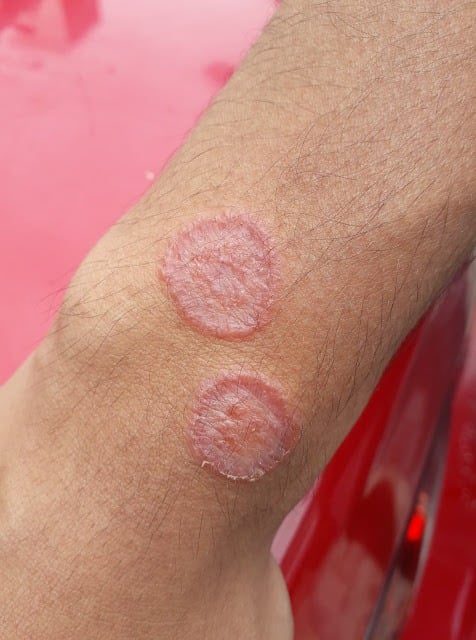
    • Red, scaly patches with raised edges
    • Itching or burning in the groin
    • Rash that spreads to thighs or buttocks

    Treatment:

    • Use antifungal creams (e.g., clotrimazole, terbinafine)
    • Keep the area clean and dry
    • Wear loose, breathable underwear
    • Avoid sharing personal items

    4. Contact Dermatitis

    What It Is: Contact dermatitis is an allergic or irritant reaction caused by contact with substances like soaps, detergents, fabrics, or lotions.

    Causes:

    • Allergic reactions to perfumes, dyes, or latex
    • Irritation from tight or unwashed clothing
    • Prolonged exposure to sweat or moisture

    Symptoms:

    • Red, itchy or inflamed skin
    • Peeling or flaking
    • Blisters in severe cases

    Treatment:

    • Identify and avoid irritants or allergens
    • Use fragrance-free moisturizers
    • Apply hydrocortisone cream to relieve itching
    • Consult a dermatologist if persistent

    5. Intertrigo

    What It Is: Intertrigo is a rash that develops in skin folds, including the groin, due to friction, moisture, and poor air circulation.

    Causes:

    • Excessive sweating
    • Skin rubbing against skin
    • Obesity or overweight
    • Tight, non-breathable clothing

    Symptoms:

    • Red, raw skin
    • Burning or stinging sensation
    • Unpleasant odor from the area

    Treatment:

    • Keep the area dry with antifungal or talcum powders
    • Apply barrier creams (e.g., zinc oxide)
    • Treat secondary infections with antifungal or antibacterial creams

    Preventive Tips:

    • Shave carefully: Use a clean razor and shave in the direction of hair growth.
    • Choose breathable clothing: Cotton underwear is best; avoid tight synthetic fabrics.
    • Practice good hygiene: Wash daily, especially after sweating, and dry thoroughly.
    • Avoid sharing personal items: Razors, towels, and clothing can spread fungi or bacteria.
    • Use gentle products: Fragrance-free soaps and lotions reduce irritation.

    When to See a Doctor:

    Seek medical advice if:

    • The rash lasts more than two weeks
    • There is severe pain, swelling, or pus
    • You develop fever or flu-like symptoms
    • The rash spreads quickly or keeps returning

    Conclusion:

    Groin irritation is a common issue that can often be managed with proper hygiene and care. By understanding the causes and symptoms of various conditions like ingrown hairs, folliculitis, jock itch, contact dermatitis, and intertrigo, individuals can take proactive steps to prevent and treat these issues. If symptoms persist or worsen, it’s important to consult a healthcare professional for appropriate diagnosis and treatment.

  • My Mother Left Me at an Orphanage

    My Mother Left Me at an Orphanage


    I was five years old when my mother left me at an orphanage.

    My memories from that day are sharp in strange, painful ways. I remember the smell of disinfectant and boiled cabbage. I remember the linoleum floor, cold through the thin soles of my shoes. And I remember the plastic grocery bag—translucent, crinkled—stuffed with my dirty clothes. Socks turned inside out. A sweater with a missing button. Everything I owned, tied at the top like trash.

    For illustrative purposes only

    I remember calling her name.

    “Mama?”

    She didn’t turn around.

    I stayed there until a woman with kind eyes crouched down and said it was time to come inside. I kept watching the door long after it closed, convinced my mother would burst back in, breathless, apologizing, saying she’d made a mistake.

    She never did.

    I was adopted once. A couple who smiled too much at first and then sighed too often later. I cried at night. I asked too many questions. I wet the bed. After a year, they returned me with a single word written on the paperwork: inconvenient.

    That word followed me for a long time, even after I grew up.

    But I did grow up.

    For illustrative purposes only

    I learned how to keep my head down and my heart guarded. I studied, worked, paid bills. I built a life that looked ordinary from the outside—job, small apartment, routines that kept me steady. I told myself I didn’t carry grudges. At least, not the kind people could see.

    I became a mother myself. And when I held my daughter for the first time, I promised her something silently, fiercely: I will never leave you wondering if you are wanted.

    Years passed. Life stayed busy, sometimes exhausting, sometimes kind. Then one night, everything shifted.

    I came home late from work, heels aching, mind already drifting toward sleep. I unlocked the door, stepped inside, flipped on the light—and nearly fainted.

    My daughter was standing in the living room, arms wrapped tightly around a young woman I had never seen before.

    They were laughing softly, the kind of laughter that comes from familiarity, not politeness.

    Every instinct in me screamed that something was wrong.
    “Who is this?” I asked, my voice sharper than I meant.

    The woman froze. Slowly, she turned around.

    I recognized her instantly.

    Jerry.

    My sister.

    For illustrative purposes only

    While our mother abandoned me, she kept Jerry.

    Jerry had been everything I wasn’t supposed to be—beautiful, delicate, full of promise. Our mother had plans for her. Modeling. Money. A future where Jerry would “repay” her by taking care of her forever. I always assumed Jerry lived that life. The favorite. The chosen one.
    I was wrong.

    Jerry ran away at sixteen.

    She survived on couches, odd jobs, grit. She saw our mother only twice after that—once in a hospital room, where the woman who had controlled her was suddenly small and frail, and once at her funeral, where grief felt complicated and unfinished.

    She never contacted me.

    Not because she didn’t care.

    Because she did.

    She told me later that the guilt had eaten at her for years. Guilt that I was abandoned and she wasn’t. Guilt that she had been loved in a way I never was. She didn’t know how to face me without feeling like she was reopening a wound she hadn’t earned the right to touch.

    Years ago, I received a large anonymous donation. Enough to help me buy my first place. I cried when I saw the number, convinced it was a mistake.

    It wasn’t.

    It was Jerry.

    For illustrative purposes only

    She had been helping me quietly for years—watching from a distance, making sure I was okay without asking for anything in return.

    She showed up now because of coincidence and courage. She works as a coach at a modeling school. My daughter attends as a hobby, just for fun. Jerry recognized her immediately.

    “She looks just like you,” she said, tears in her eyes.

    I hugged my sister for the first time in decades and cried like a child. The kind of crying that shakes loose everything you thought you had already processed.

    Later, we went together to our mother’s grave.

    I stood there, staring at the photo of the woman who had left me without mercy. I waited for anger. For grief. For that familiar ache.

    It didn’t come.

    For the first time, I felt no loss.

    Because I had a sister.

    And her quiet love—patient, unannounced, steady—gave me everything my mother never could.

    Note: This story is a work of fiction inspired by real events. Names, characters, and details have been altered. Any resemblance is coincidental. The author and publisher disclaim accuracy, liability, and responsibility for interpretations or reliance. All images are for illustration purposes only.
  • Comedian and former Late Show host John Mulrooney dies at 67

    Comedian and former Late Show host John Mulrooney dies at 67

    An excellent radio man and an even better stand-up comic.

    That’s how friends and fans describe John Mulrooney.

    Sadly, Albany’s Times Union now reports that the comedian and former Late Show host-turned-police officer has died at 67.3

    Beloved stand-up comedian, radio personality, and late-night television veteran John Mulrooney has died suddenly at the age of 67, leaving the comedy world stunned and heartbroken.

    According to Albany’s Times Union, Mulrooney died at his home in Coxsackie, New York, on December 29, 2025. His cause of death was not “immediately available,” the outlet reported. Friends say the loss was completely unexpected.

    Born and raised in Brooklyn, New York, Mulrooney came up through the gritty, competitive comedy scene of the early 1980s, cutting his teeth at legendary clubs like Dangerfield’s and Sheepshead Bay before making his mark in Hollywood at The Improv and The Laugh Factory. By the late ’80s, he had become a familiar face on television — most notably in 1987, when he briefly replaced Joan Rivers as host of The Late Show.

    Screenshot / Youtube

    His career spanned nearly every corner of entertainment. Mulrooney appeared on shows including Comic Strip Live, Comedy Tonight, Great Balls of Fire!, An Evening at the Improv, and Andrew Dice Clay and His Gang Live! The Valentine’s Day Massacre. He competed on Star Search and The New Hollywood Squares, guest-starred on Ellen and The Good Life, and even hosted Fox’s King of the Mountain and The Pat Sajak Show. He also created and starred in the short-lived Comedy Central sitcom Midtown North.

    After returning to New York, Mulrooney reinvented himself once again — this time as a radio powerhouse, hosting The John and Abbey Show on 105.1 “The Buzz,” then co-hosting the hugely popular Wolf and Mulrooney in the Morning alongside Bob “The Wolf” Wohlfeld on WPYX. Later stops included WPDH and iHeartRadio, where his unmistakable voice remained a staple of East Coast airwaves.

    Adam Sandler’s emotional tribute

    Even late into his career, Mulrooney never stopped performing. Just months ago, in May 2025, he shared the stage with Colin Quinn and Aidan O’Kelley at the Craic Comedy Fest in Astoria.

    Tributes quickly poured in from friends, fans, and fellow comedians. In a 2024 episode of Joe Rogan’s podcast, Adam Sandler reflected on their early days in comedy, calling Mulrooney a force of nature.

    “I remember Mulrooney would just destroy a room,” Sandler said. “He was so loose and would dominate the room, and then they’d bring you up, and you’re like, ‘Oh, goodness gracious.’”

    Outside of entertainment, Mulrooney lived a life of service. He spent 14 years as a police officer, from 2010 to 2024, while continuing to perform comedy — often for first responder communities across the country. He was also a longtime radio host and a recreational pilot, according to his obituary.

    That obituary described him as a “beloved stand-up comedian, dedicated public servant, and proud patriot whose life was defined by service, laughter and an unwavering devotion to the people he loved.”

    John Mulrooney / Facebook

    Steven Van Zandt told the Times Union that the news hadn’t fully sunk in.

    Mulrooney and Van Zandt first crossed paths years ago, when both men were launching their own morning radio shows and quickly built a lasting friendship.

    “To talk to somebody less than two weeks ago, and he had mentioned what he was doing for Christmas, and he was looking forward to 2026 because he had a pretty full calendar,” Van Zandt said. “It’s all so unexpected. It’s still sinking in.”

    The obituary added:

    “John Mulrooney will be remembered as much for being a loyal friend to countless people as for the laughter he brought to a multitude of strangers. His voice, his stories and his spirit will continue to echo in the lives of those he touched.”

    ”He became a sought-after performer for police and fire department fundraisers across the country, using comedy to support first responders and the communities they protect”.

    John Mulrooney is survived by the legacy of laughter he left behind — and by countless people who say comedy, radio, and even their own lives were better because he was part of them.

  • 5 Easy Ways to Test Honey at Home Number 3 Even Surprised Beekeepers!

    5 Easy Ways to Test Honey at Home Number 3 Even Surprised Beekeepers!

    Honey is one of the most ancient foods valued for its medicinal properties and its unique flavor. Sin embargo, en la actualidad es común contrar adulteradas versions que contienen en apenas a small portion of natural honey mixed with jarabes and azúcares. Therefore, it is important to identify whether the honey you buy is authentic. In continuation, we present five easy and effective cases to discover.
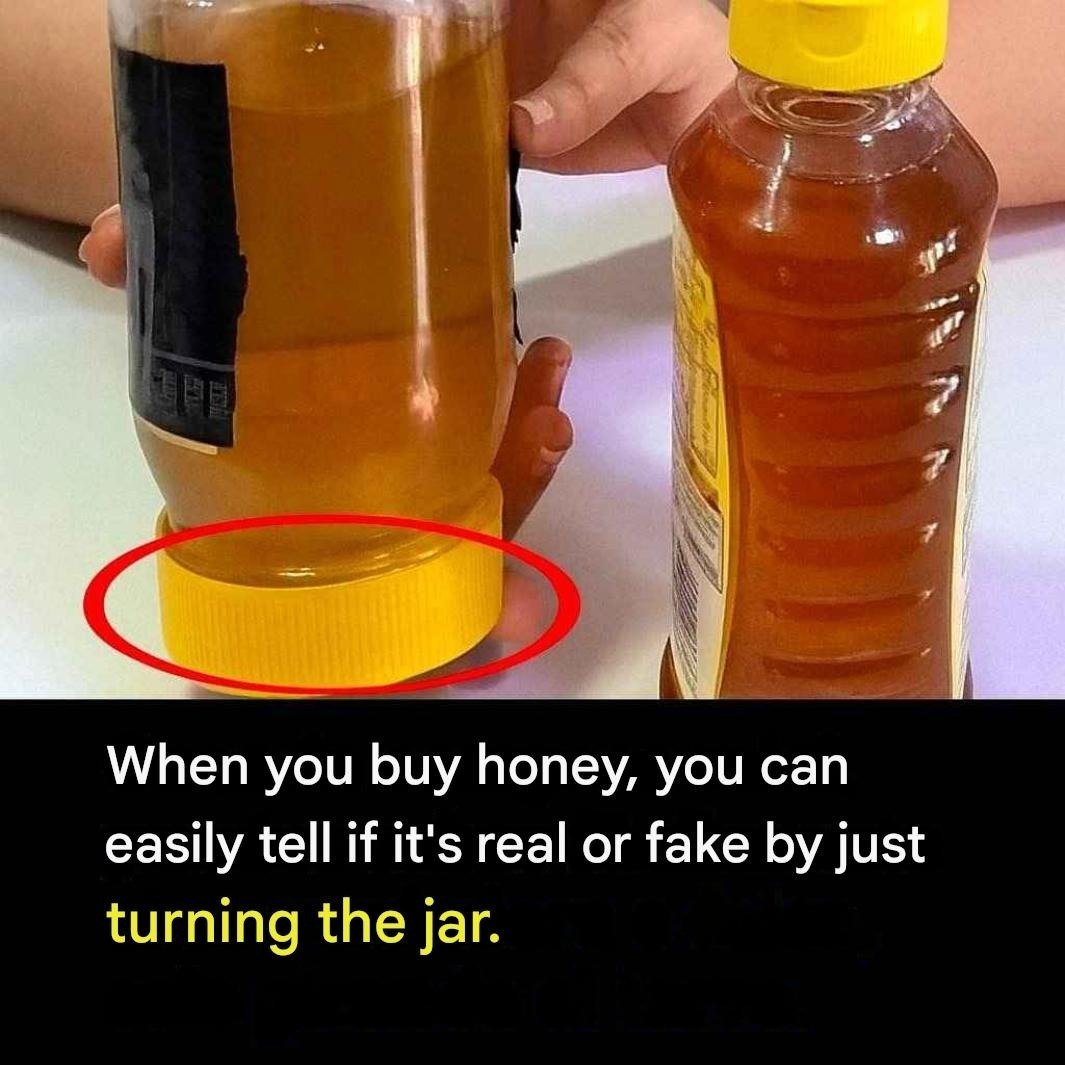
    1. Pour
    the honey into the frasco, mix gently and voltéalo.

    Auténtica honey: when moving, it forms burbujas that slowly and can be delayed within a few hours by llegar to the surface, depending on its density and viscosity.

    False honey: if the bubbles disappear quickly or do not appear, probably it has been diluted with water or jars.

    2. Take a transparent water bottle and already have a spoonful of honey in the center without the remover.

    Auténtica honey: little hasta el fondo and maintaine its form.

    False honey: it disappears before it leaves on the bottom, it indicates that it contains additives.

    3. Precautions for crystallization
    Pure honey tends to crystallize in a natural form, even in cold climates or when the temperature is below 14 °C.

  • A Quiet Struggle Beneath the Surface That Often Goes Unnoticed

    A Quiet Struggle Beneath the Surface That Often Goes Unnoticed

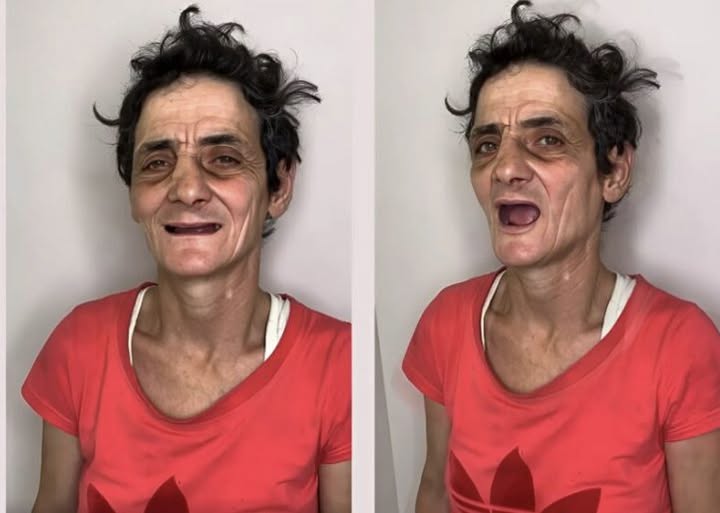
    For many years, Rita moved through daily life with quiet caution. She had learned to take up as little space as possible, believing that drawing attention to herself might invite discomfort or criticism. Simple habits reflected this mindset: she avoided direct eye contact, spoke softly even when confident in her thoughts, and often apologized unnecessarily. These behaviors did not come from weakness, but from experiences and expectations that slowly shaped how she saw herself. Like many people living with persistent self-doubt, Rita believed staying unnoticed was a form of protection, even though it limited her sense of freedom.

    Change did not arrive dramatically or through a major life event. Instead, it began in a modest, unexpected place—a local salon. From the moment Rita sat down, the atmosphere felt different from what she was used to. Rather than focusing on what needed fixing, the stylist, Shafag, asked a thoughtful question: what makes you feel most like yourself? The inquiry was calm and genuine, without judgment or pressure. For perhaps the first time in a long while, Rita felt invited to express a preference rather than defer to someone else’s expectations. The environment was respectful, unhurried, and quietly supportive.

    As the appointment continued, Rita noticed something shifting beneath the surface. The simple acts of care—washing her hair, tending to her skin, and thoughtfully styling her appearance—created a sense of ease she hadn’t realized she was missing. This wasn’t about transformation or perfection. It was about being treated with attention and kindness, without conditions attached. That experience gave her space to reflect on how rarely she allowed herself to receive care without questioning whether she deserved it. When she finally looked in the mirror, the change she noticed went far beyond how she looked.

    Rita stood a little taller, met her own gaze more steadily, and recognized a version of herself that had been quietly waiting. Stepping back outside, she didn’t feel like someone new. Instead, she felt something simpler and more meaningful—permission to exist as she was, without apology. Her experience serves as a reminder that personal confidence doesn’t always begin with grand gestures or dramatic realizations. Sometimes, it starts with small moments of respect, supportive interactions, and environments that offer acceptance. When people are met with kindness and understanding, even briefly, it can gently reopen the door to self-worth that has long been closed.